Imagine a country that has worked and strived for years, producing more than it consumes, and has brought civilization to its peak in fields like architecture, art, politics, and human rights. This country has established economic and political unity with its neighboring countries, living in prosperity. Up until this point, it seems like a fairy tale.
As these countries advanced their democracies and provided all kinds of opportunities to their citizens, establishing rights and laws, they began a path that would squander years of democratic achievements. They started accepting large numbers of immigrants, refugees, and asylum seekers, and integrated them into their population.
So, why would a country import immigrants?
- It may need labor.
- It accepts immigrants through policies aimed at integrating a declining population.
- It seeks to increase capital inflow.
- It may have a surplus of housing or real estate, among other reasons.
Many of these reasons exist. However, today’s Europe struggles to understand the ease with which immigrants are accepted. Increasingly, a more nationalist stance is being taken. Why is this happening?
After 1945, the world experienced the importance of peace, tranquility, and prosperity through the harsh lessons of severe poverty and suffering. In the 60s and 70s, people lived in an overly peaceful manner, free from ambition. The 80s and 90s were spent working with good policies. After the 2000s, civilization laid its final stones before entering a new era.
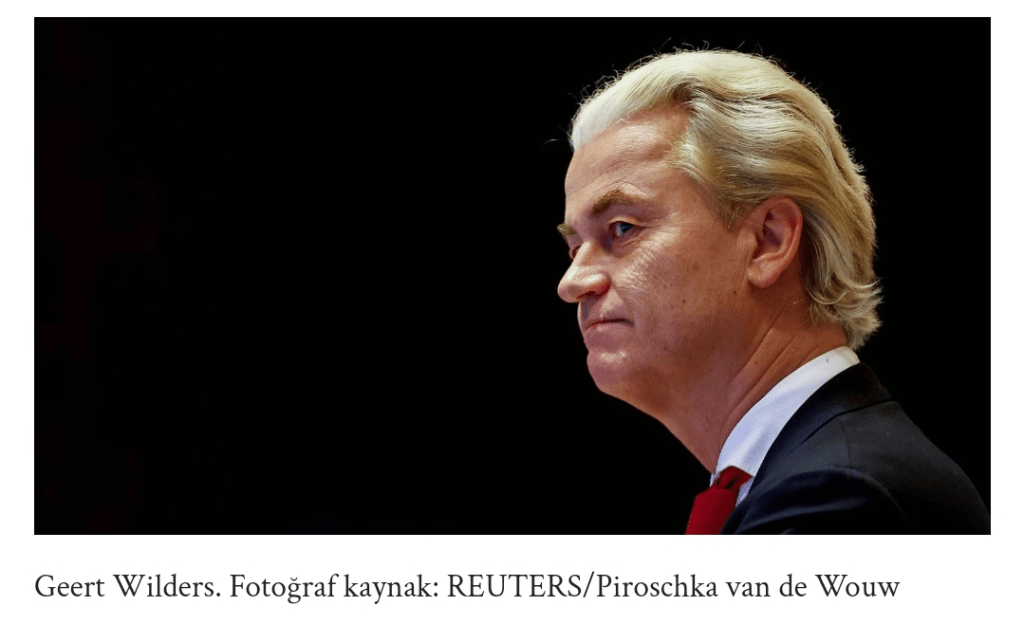
Increasing nationalism in a country can be attributed to many reasons, but politically, it seems to resemble preparations for an all-out war. While it doesn’t immediately imply war, the rise of nationalism across Europe signals the start of a new era. It will infiltrate governments, lead to more extreme political rhetoric, and Europe will gradually drift away from its modern, peaceful image. Xenophobia will rise, and policies will pave the way for this.
The gradual shift of capital and trade networks towards the East will likely trigger a change in thought in Europe. These circumstances suggest that, while Eastern countries (Russia, China, Iran, and soon Saudi Arabia and Egypt) are strengthening their economic power, Europe is using immigrant unrest to shape public opinion in a way that serves political agendas.
In summary, as the world has seen the end of peace years, Eastern countries are forming alliances. Potential wars or tensions are being used by Europe to exacerbate problems, drawing immigrants into the equation. Policies will push immigrants into conflicts and unrest, increasing tensions across Europe. By 2026, China is expected to economically equal the U.S., and Europe will continue its nationalist propaganda with immigrants playing significant roles. Immigrants will be provoked in various ways: by interfering with spiritual values (such as burning the Quran), through provocative rhetoric in the Israel-Palestine conflict, and with media stories focused on anti-immigrant sentiment.
This is my personal opinion and does not contain any quotations or copying. Thank you in advance.
Serdar AYDOĞAN
 Serdar AYDOĞAN
Yorum bırakın